publication
illustration
Season program
Where Theatre Breaks the News
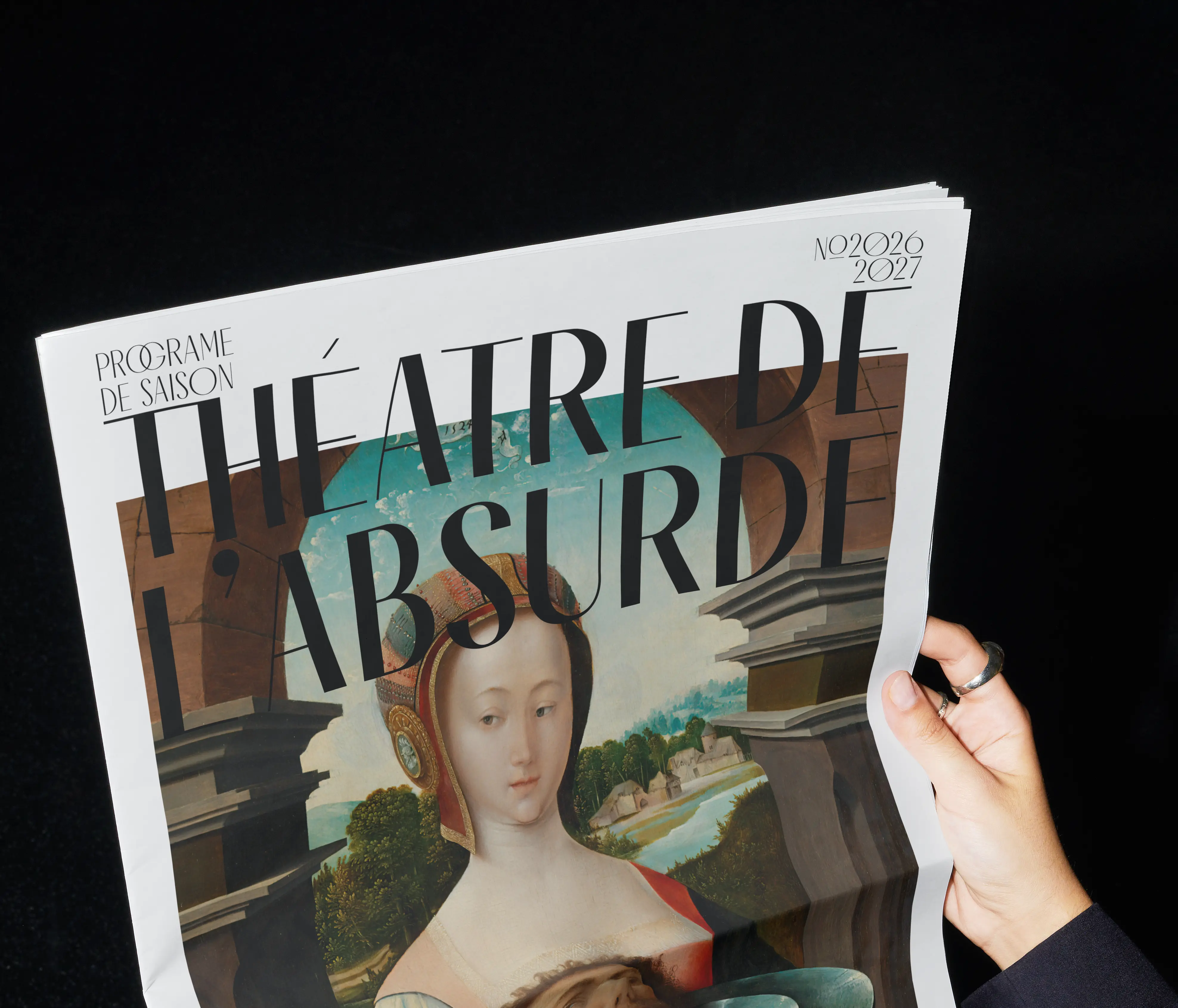
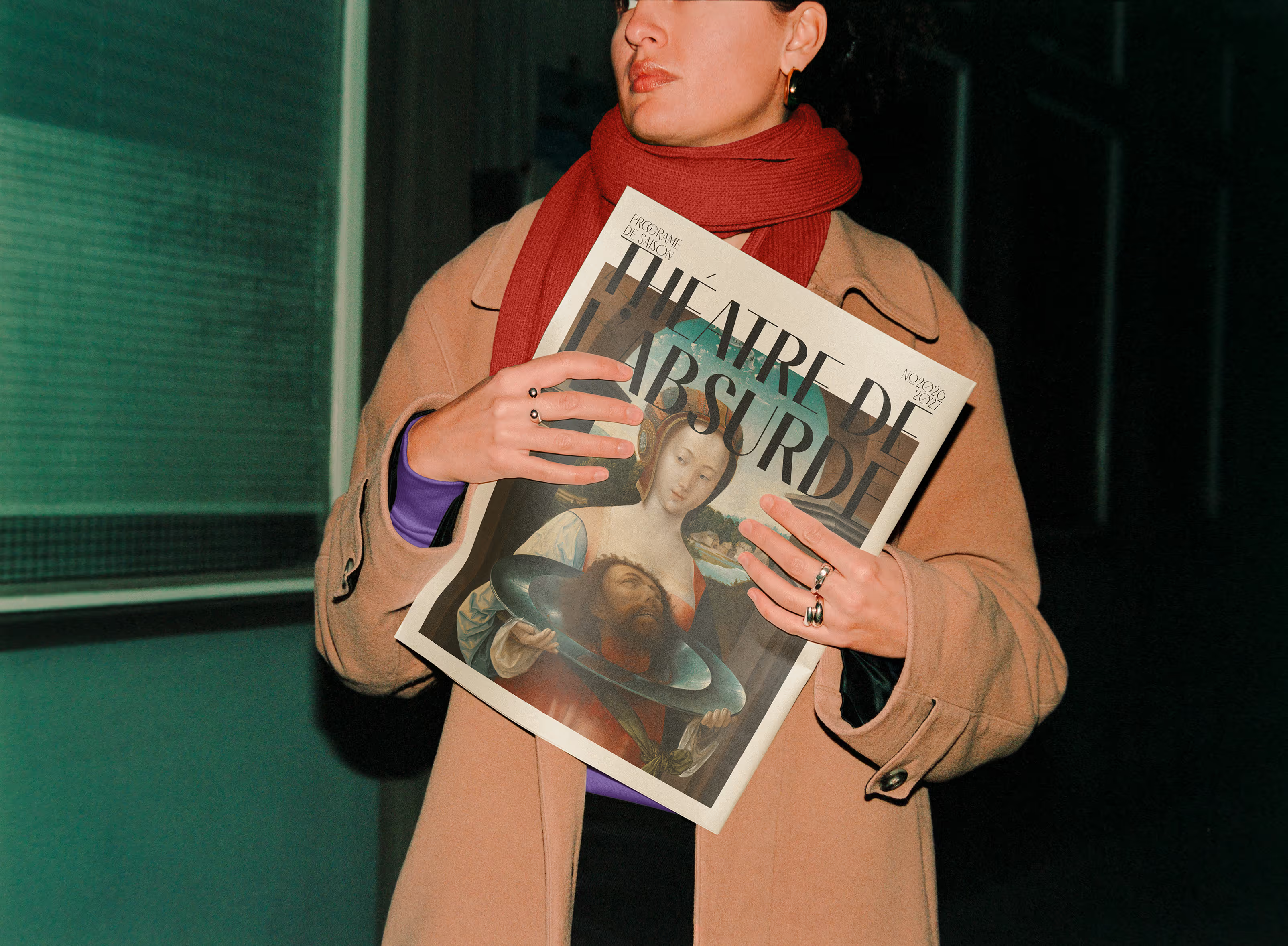
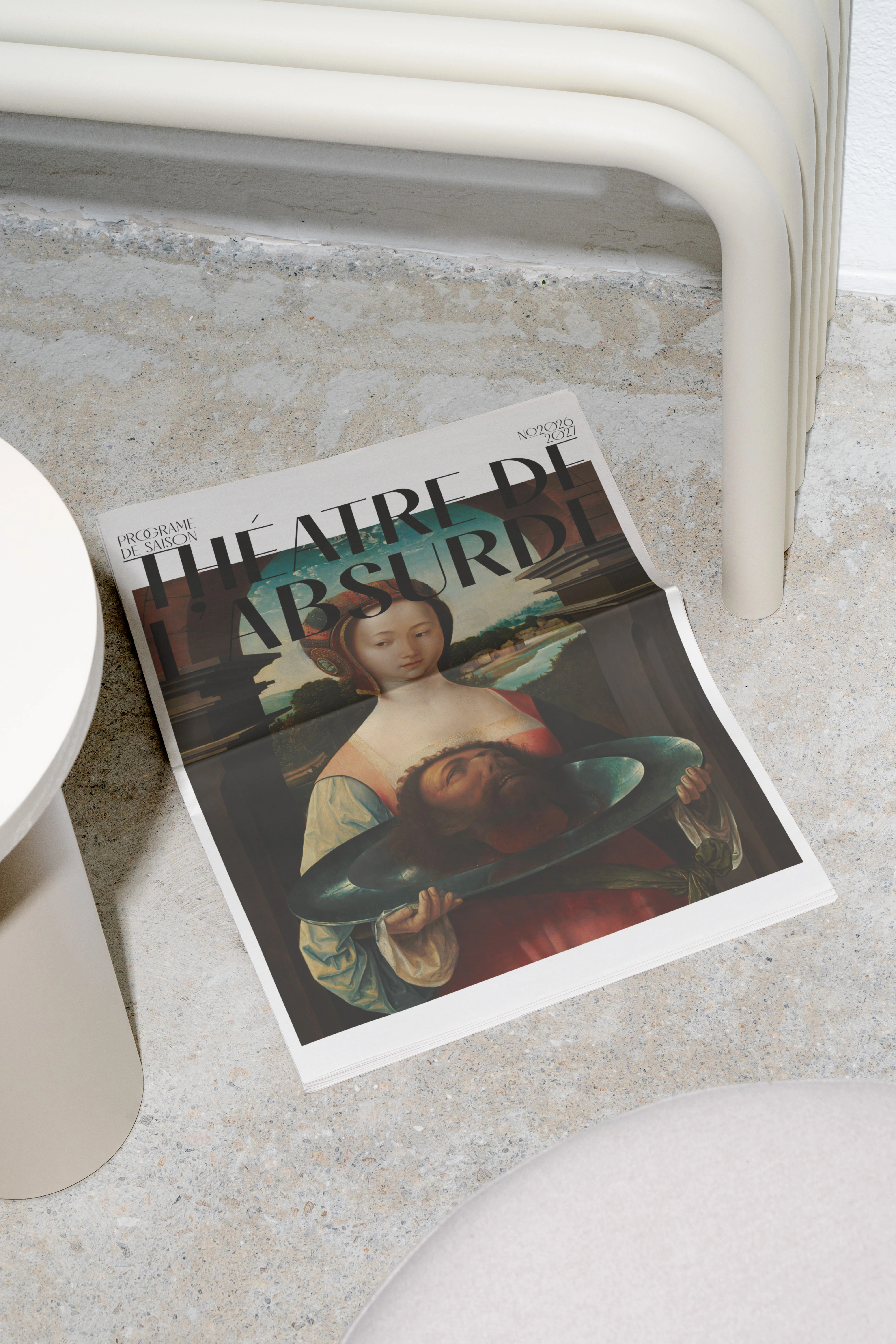
A season program for Le Théâtre de l'Absurde is reimagined as a newspaper, turning the booklet into a space for critique, play, and participation. It blends absurdist theatre, historical imagery, and interactive games to extend the performance beyond the stage and into the reader’s hands.
the brief
who
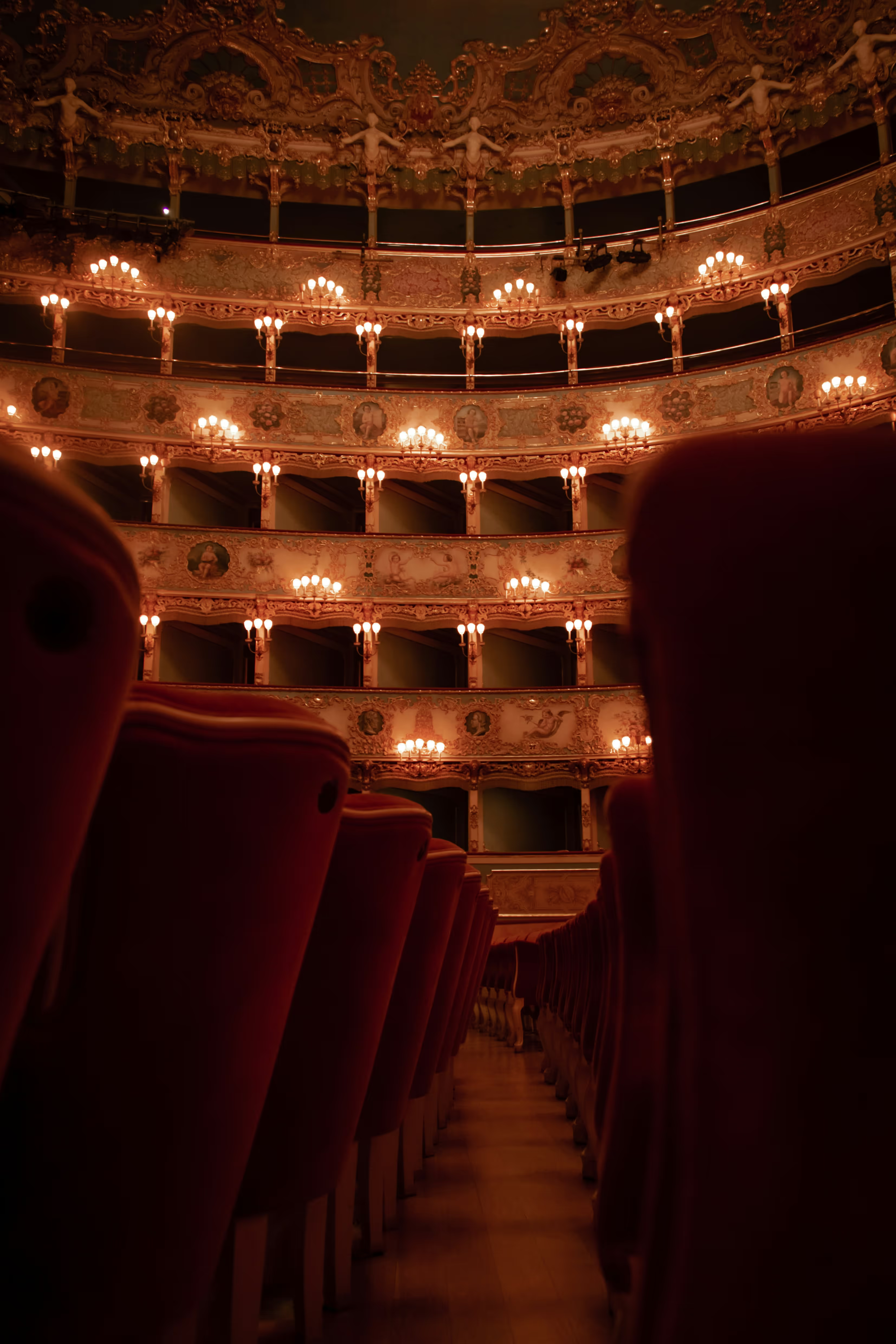
This season program was designed for Le Théâtre de l'Absurde, a theatre company centered around works from the Theatre of the Absurd movement.
whom
It is for theatre-goers, students, and audiences interested in contemporary culture, social commentary, and experimental performance. The objective was to create a program that could engage both regular theatre attendees and younger audiences through a more interactive and visually immersive format.
why
The goal was to create anticipation before the performance while reflecting the themes of absurdism, social critique, and audience interpretation that define the movement.
the spark
The concept began with a simple observation: absurdist theatre and newspapers actually have a lot in common. Both react to society, both document chaos in their own way, and both leave audiences trying to make sense of what they just witnessed.
That connection led to the decision to design the season program as a newspaper. The format immediately carries associations with public discourse, political tension, headlines, and collective anxiety, all themes deeply connected to the Theatre of the Absurd. Turning the program into a newspaper allowed the publication to feel less like promotional material and more like a cultural artifact pulled directly from the world the plays are critiquing.
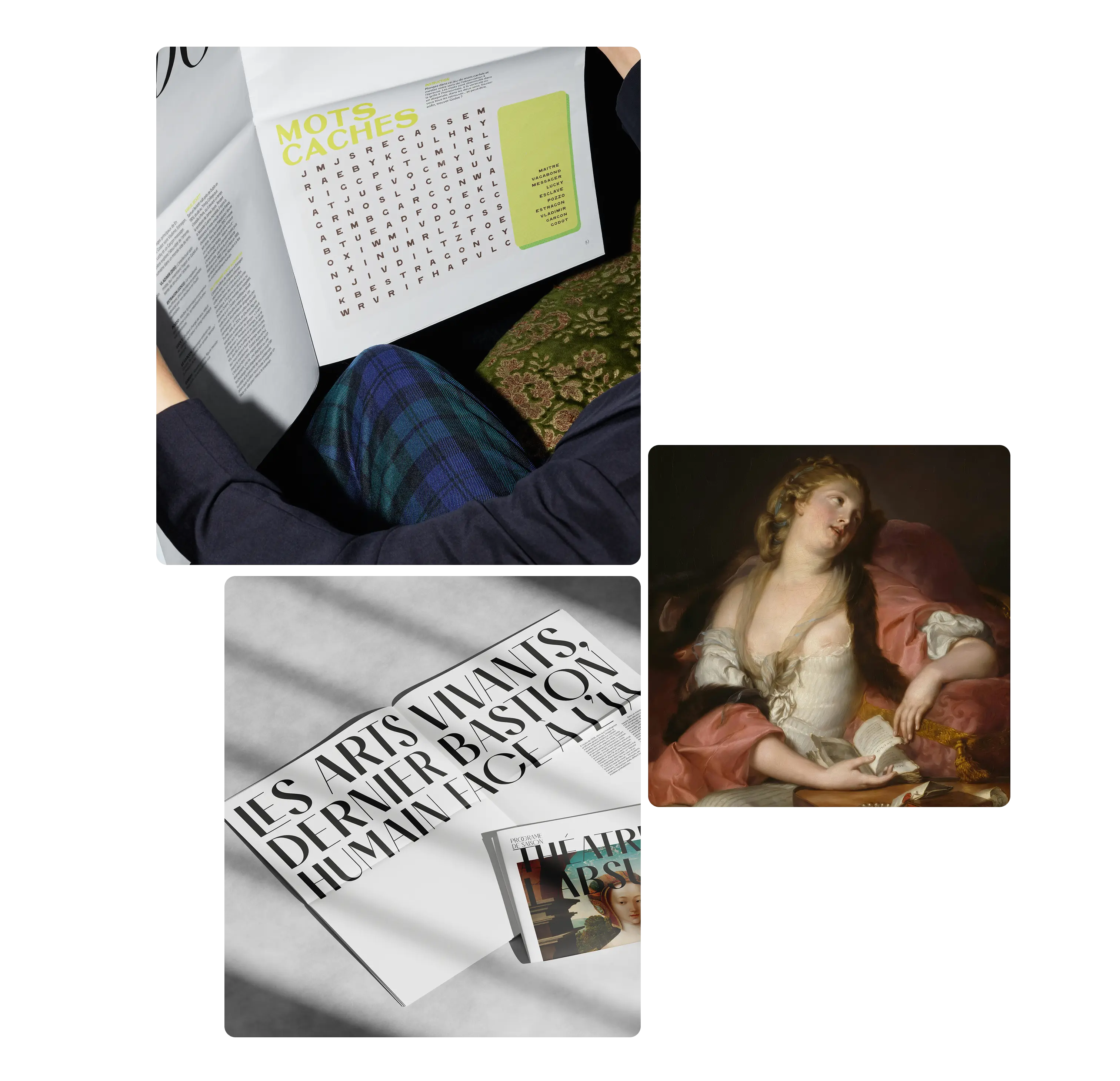
To push the idea further, I designed original newspaper-style games for each production. Inspired by crossword puzzles, word searches, and classic print activities, every game contains references and hidden allusions tied to its respective play. The audience begins interacting with the themes before even entering the theatre, making participation part of the experience instead of something reserved for the stage alone.
the detail of storytelling
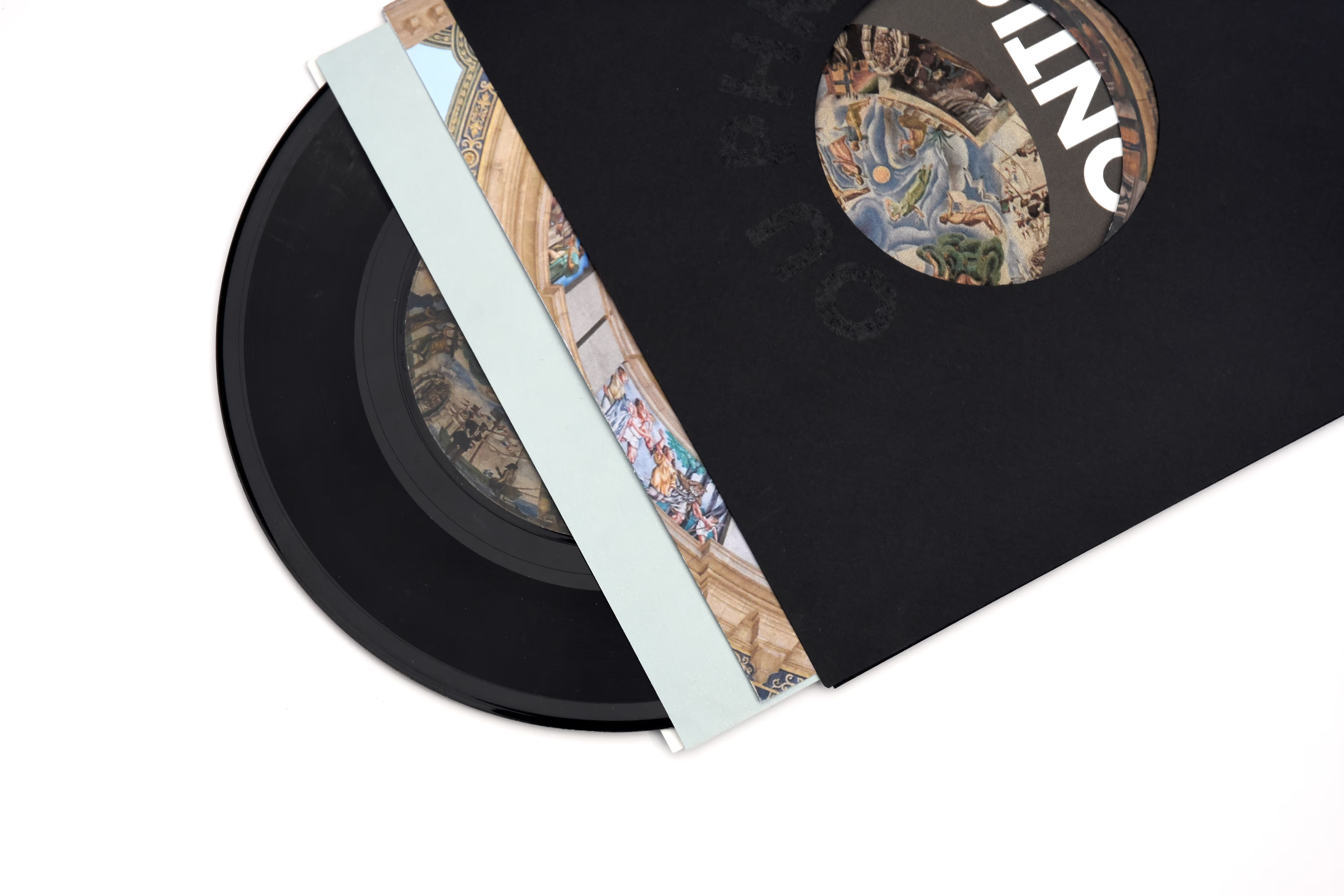
The visual direction combines editorial newspaper aesthetics with Baroque and Renaissance paintings to create a dramatic and slightly unsettling atmosphere throughout the publication. These artworks were chosen for their theatrical compositions, exaggerated emotion, and symbolic storytelling. In many ways, they already feel like frozen scenes from a play.
Using classical paintings inside a contemporary newspaper layout creates an intentional clash between historical imagery and present-day absurdity. It suggests that while the costumes may have changed, society’s contradictions have remained surprisingly consistent.
The layouts balance rigid newspaper grids with moments of interruption and visual tension. Headlines compete for attention, imagery spills across structures, and games break up informational content in unexpected ways. This reflects the logic of absurdist theatre itself: systems that appear organized until they slowly begin to unravel.
Rather than acting as a passive informational booklet, the final publication becomes an extension of the performances themselves. It invites audiences to read, question, interpret, and play with the material before they even take their seats.
want to see more?
work gallery